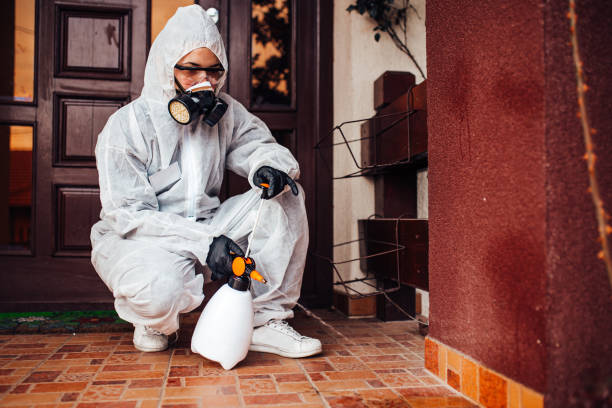
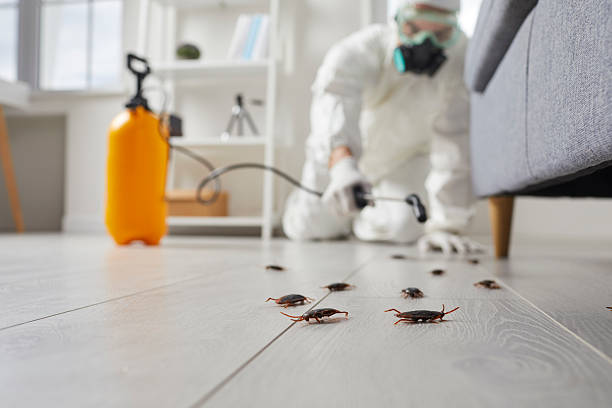
Scratching in the attic at night is almost always roof rats working the roofline, while ground-level droppings near the pantry usually mean house mice — our technicians identify the species before setting a single trap.
A technician walks the roofline, foundation, and utility penetrations to find every gap a rodent could be using, not just the obvious one.
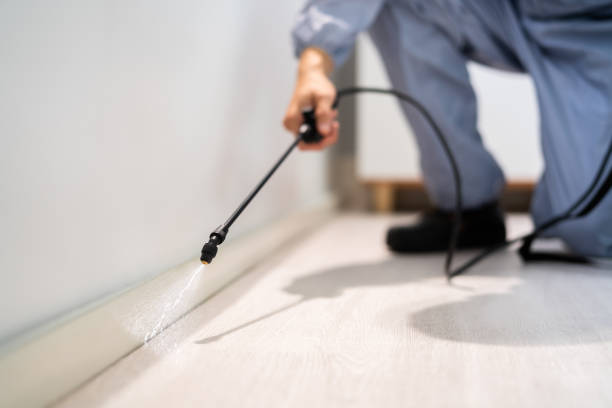
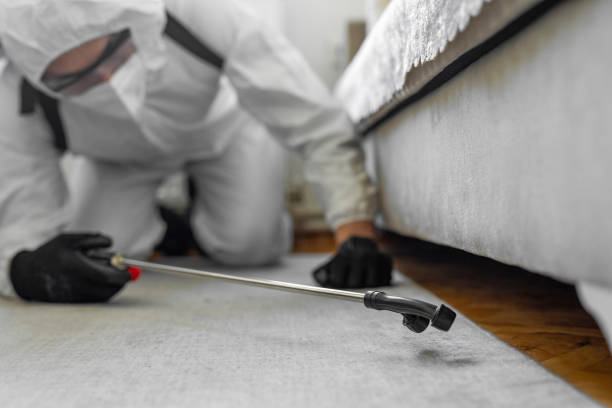

Our Rodent Control crew is trained specifically on rat and mouse biology, not general pest spraying.
We keep same-day slots open for active infestations, especially attic and wall-void activity reported at night.
You get one flat quote covering trapping, gap sealing, and a scheduled follow-up — sealing costs are never a surprise add-on.
We use snap traps, tamper-resistant bait stations, hardware cloth, and steel wool for permanent gap sealing.
Roof rats travel roofline, eaves, and attic spaces, so trapping is placed along their actual travel paths, not just on the attic floor.
Norway rats burrow at the foundation and under sheds, so exterior bait stations and burrow treatment are part of the plan.
House mice need only a quarter-inch gap, so mouse jobs focus heavily on sealing utility penetrations and door corners.
Trapping without sealing just invites the next rodent in — we close every identified gap with steel wool, hardware cloth, and sealant.
Commercial rodent accounts get recurring exterior station checks documented for compliance records.
After removal, we can address contaminated insulation and droppings left behind in the attic.

Tell dispatch where the activity is: roofline, attic, or ground level, so the right technician and gear get assigned.
A technician arrives with snap traps, bait stations, and sealing materials already loaded for Chiefland rodent calls.
Inspection covers attic, foundation, and utility penetrations, with species ID driving trap placement.
Traps and stations go out the same visit, gaps get sealed, and a follow-up confirms activity has stopped for good.
Mice were getting into the pantry no matter how much steel wool I stuffed in myself. Turns out the real gap was behind the dryer vent.
Our warehouse had rodent activity near the loading dock and Nex Pest Control set up a monitored station program with logs for our next audit.
We'd tried every trap from the hardware store with no luck. The tech explained these were roof rats, not mice, and that changed everything about where traps went.

No matter which Chiefland neighborhood you're in, a technician equipped for rat and mouse-specific work can reach you the same day.

Roof rats are heard overhead in the attic, while Norway rats are more often found at ground level or in the crawl space.
Trapping removes the current rodents, but sealing the gap is what prevents the next one from moving in — both steps matter.
Yes — station placement is planned around pets and kids, and we'll walk you through exactly where everything goes.
Most Chiefland cases clear within one to two weeks once entry points are sealed, confirmed at a scheduled follow-up visit.
Yes, we'll flag any chewed wiring or insulation during inspection so you can address it alongside the rodent removal.
We set up recurring monitoring visits for warehouses, restaurants, and retail spaces on a schedule that fits your operation.
Call +1-866-315-0243 for a same-day inspection and flat-rate quote.
Call +1-866-315-0243